Southern Pacific No. 2825
Overview
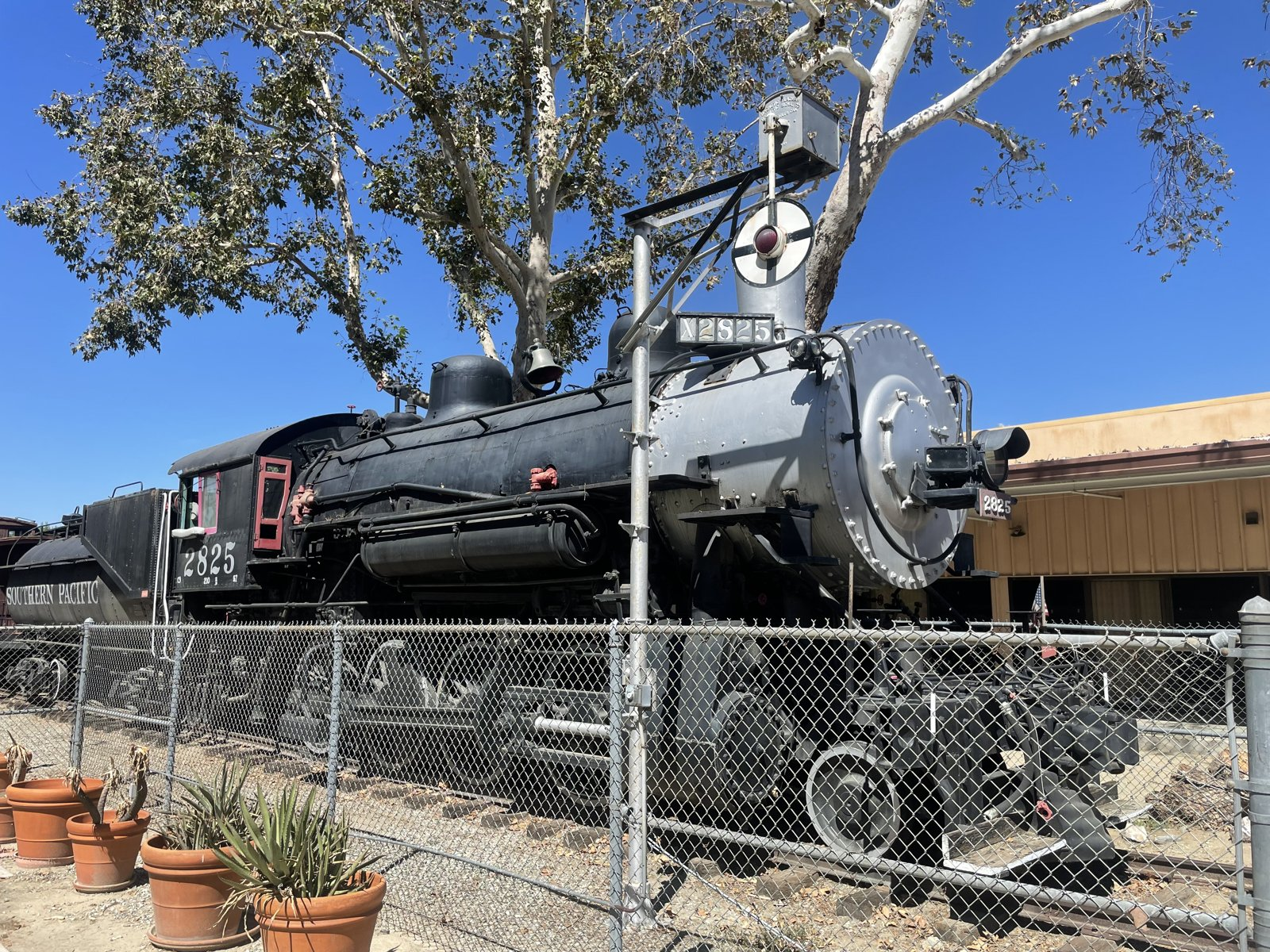
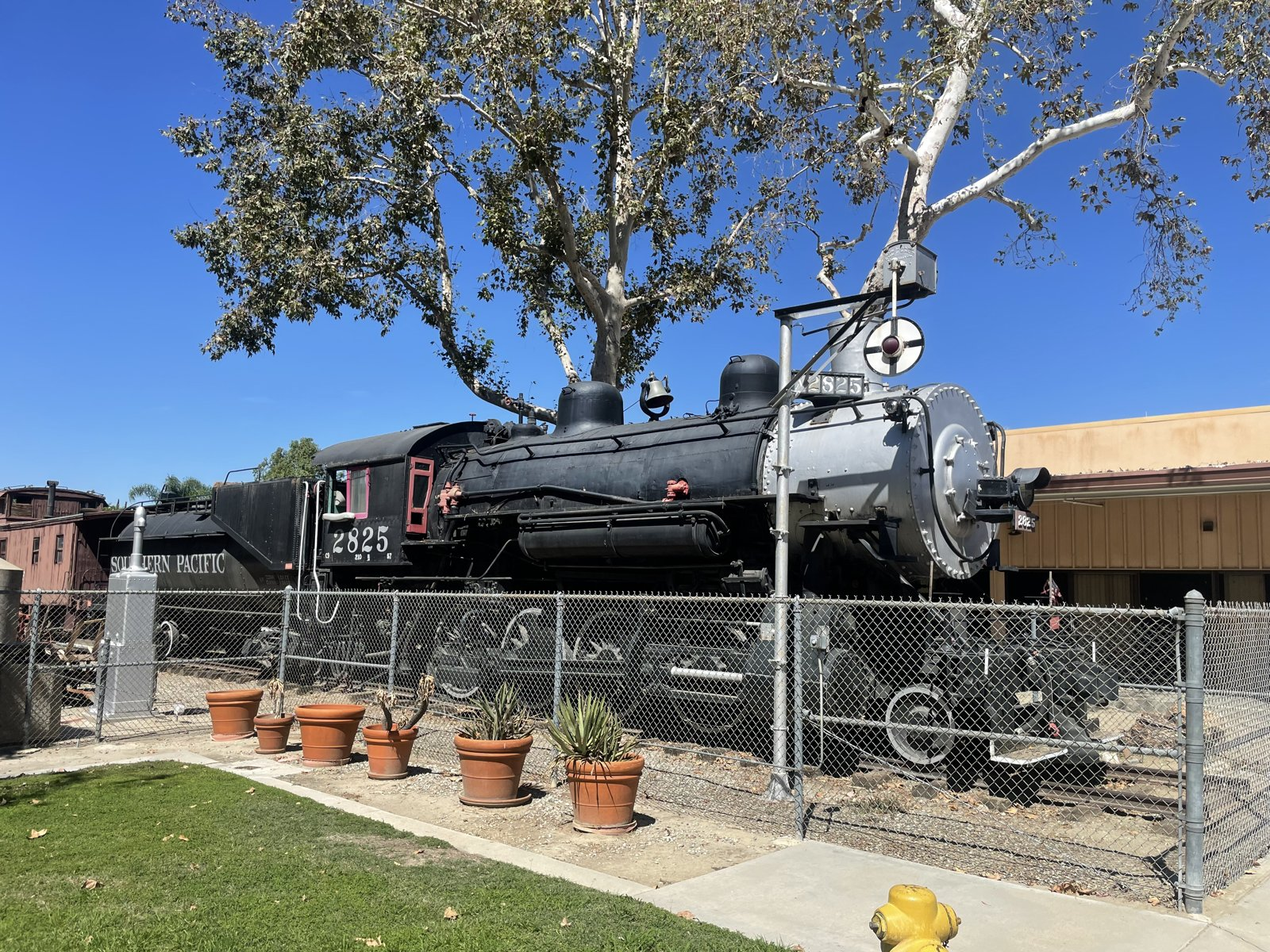
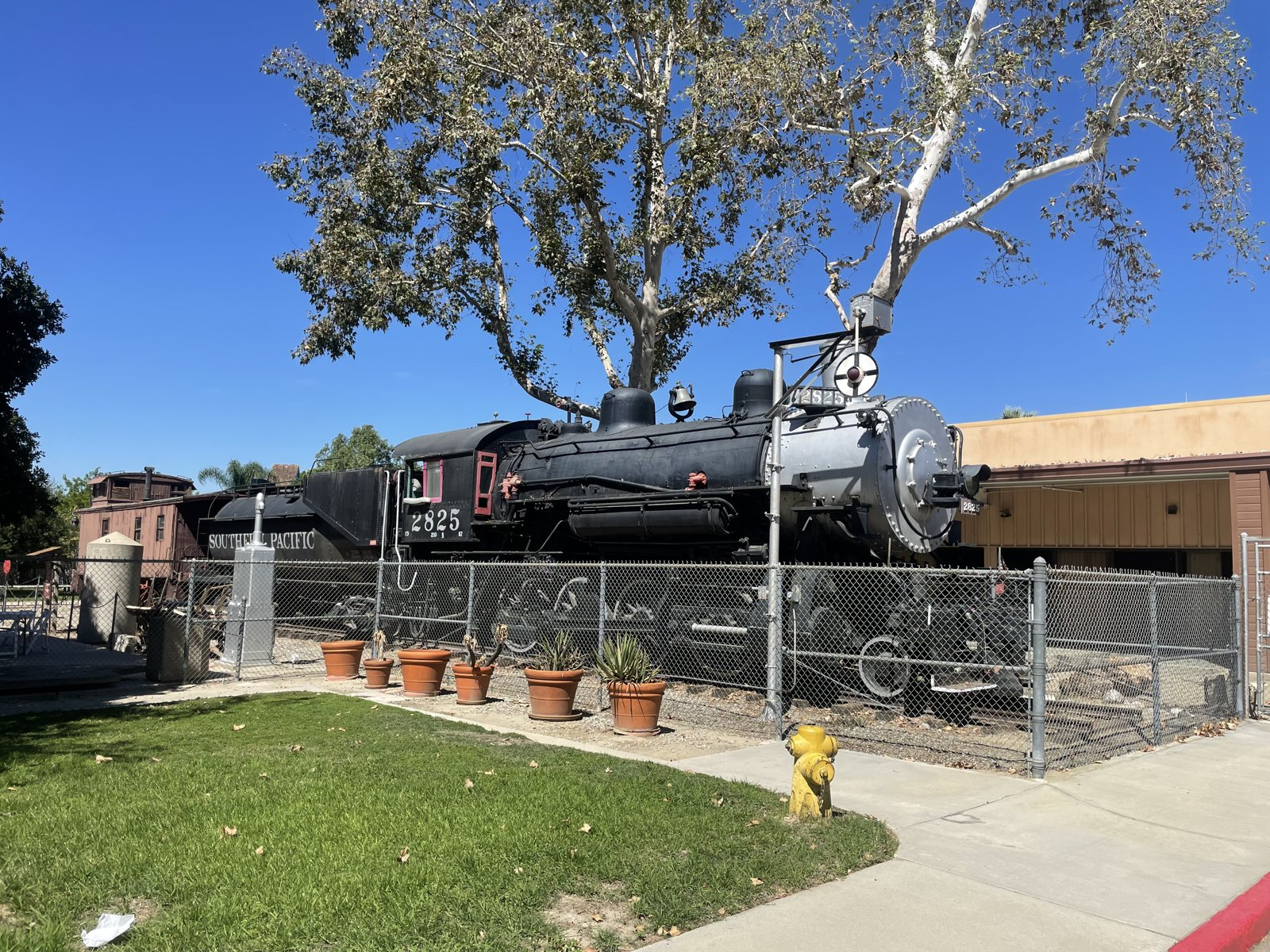
Southern Pacific No. 2825 is a preserved 2-8-0 Consolidation steam locomotive displayed at the San Bernardino County Museum in Redlands, California. Built in 1908 by the Brooks Locomotive Works, a subsidiary of the American Locomotive Company, the locomotive represents a type of practical freight power that once formed the backbone of Southern Pacific operations across the American West.
Unlike famous Southern Pacific locomotives such as Cab Forwards, Daylights, or GS-class streamliners, No. 2825 spent its career performing the everyday work of moving freight. Locomotives like 2825 rarely became famous, but they were the engines that kept the railroad functioning day after day.
Today, No. 2825 survives as one of the preserved Southern Pacific Consolidations in California and serves as an important reminder of the freight locomotives that carried the railroad through the first half of the twentieth century.
Quick Facts
| Railroad | Southern Pacific |
| Number | 2825 |
| Wheel Arrangement | 2-8-0 Consolidation |
| Builder | Brooks Locomotive Works / ALCO |
| Construction Number | 44984 |
| Built | February 1908 |
| Primary Service | Freight |
| Lease | Sud Pacífico de México, 1947–1948 |
| Donated for Display | June 18, 1957 |
| Earlier Display | Colton, California |
| Current Location | San Bernardino County Museum, Redlands, California |
| Status | Static display |
| Preservation Type | Museum display |
A Freight Locomotive for a Working Railroad
By the early 1900s, the Southern Pacific operated one of the largest rail systems in North America. While passenger trains often attracted public attention, freight traffic generated much of the railroad’s revenue.
To move that freight efficiently, Southern Pacific relied on practical locomotives such as the Consolidation.
The 2-8-0 wheel arrangement offered good tractive effort, reasonable fuel economy, proven reliability, and flexibility across a wide range of assignments. These characteristics made the Consolidation a widely used freight locomotive type.
No. 2825 was built specifically for this working railroad environment.
Built by Brooks
Southern Pacific No. 2825 was constructed in February 1908 by the Brooks Locomotive Works, one of the firms that had become part of the American Locomotive Company. The locomotive carried construction number 44984.
At the time, Brooks and ALCO were well-established locomotive builders, supplying locomotives to major railroads throughout the United States.
No. 2825 emerged from the era of rapid railroad growth and industrial expansion that characterized the early twentieth century.
The Consolidation Era
The 2-8-0 Consolidation became one of the defining freight-locomotive types in North America.
Before the arrival of larger Mikados, Mountains, Northerns, and articulated steam locomotives, the Consolidation represented standard freight power on many railroads.
Southern Pacific rostered large numbers of Consolidations and used them on freight trains, local service, branch lines, switching assignments, and countless other duties.
They were not glamorous locomotives. They were useful locomotives. That practicality explains why thousands were built and why railroads relied on them for decades.
Service on the Southern Pacific
Detailed assignment records for No. 2825 require further primary-source research, but locomotives of its type routinely worked freight service throughout the Southern Pacific system.
From May 2, 1947, to December 3, 1948, No. 2825 was leased to the Sud Pacífico de México, Southern Pacific’s Mexican subsidiary.
Typical duties for Southern Pacific Consolidations included local freight trains, branch-line assignments, switching work, agricultural traffic, industrial service, and general merchandise freight.
Locomotives like 2825 formed part of the railroad’s everyday operating backbone before dieselization transformed American railroading. While larger locomotives handled headline assignments, Consolidations handled much of the work that kept individual customers connected to the railroad.
Retirement and Preservation
Like thousands of steam locomotives across North America, No. 2825 eventually became obsolete as diesel locomotives replaced steam during the mid-twentieth century.
Fortunately, the locomotive escaped scrapping. Southern Pacific donated No. 2825 for public display on June 18, 1957.
Its preservation occurred while many historically significant steam locomotives were still being scrapped. The decision ensured that a representative of this class of Southern Pacific freight power survived into the preservation era.
From Colton to Redlands
For many years, No. 2825 was displayed in the Colton area.
By 1973, the locomotive had been relocated with a Santa Fe caboose to the San Bernardino County Museum in Redlands. Period photographs from that era show City of Colton lettering remaining on the tender, reflecting its earlier display history.
The move placed the locomotive in a museum environment where it could be interpreted as part of the broader transportation history of the Inland Empire. It remains a recognizable feature of the museum grounds.
Why No. 2825 Matters
Southern Pacific preservation often emphasizes the railroad’s most dramatic locomotive types, including Cab Forwards, GS-class Daylights, Mountains, and articulated freight locomotives.
No. 2825 tells a different story. It represents the ordinary freight locomotive.
That may sound less exciting, but it is equally important historically. Railroad employees and local customers were far more likely to encounter working freight locomotives like 2825 than a famous streamliner.
No. 2825 represents early twentieth-century freight railroading, Southern Pacific local and branch-line service, Brooks and ALCO locomotive construction, the Consolidation type, everyday steam-era operations, and railroad preservation in Southern California.
Southern Pacific’s Forgotten Workforce
Railroad preservation often emphasizes the largest and most famous locomotives. As a result, engines like No. 2825 can be overlooked.
Yet freight Consolidations were among the true workhorses of North American railroading. They hauled freight, switched industries, connected communities, and performed the routine tasks that kept the railroad moving.
The locomotive therefore provides an important counterpoint to Southern Pacific’s more celebrated preservation pieces.
Preservation Status
Southern Pacific No. 2825 remains on public display at the San Bernardino County Museum in Redlands, California. The locomotive serves as a visible surviving example of Southern Pacific steam power in the Inland Empire.
More than a century after its construction, the locomotive continues to tell the story of the ordinary freight engines that formed the backbone of one of America’s great railroads.
Related Railroads
Related Museums
- San Bernardino County Museum
Related Locations
- Colton, California
- Redlands, California
Related Topics
- Southern Pacific No. 4449
- Southern Pacific Cab Forward
- Brooks Locomotive Works
- American Locomotive Company (ALCO)
- 2-8-0 Consolidation
- Steam Locomotive
Gallery
Western Rail Archive Notes
Southern Pacific No. 2825 is not famous because it set records, hauled streamliners, or introduced new technology. It is important because it represents the locomotives that did the routine work.
For every Daylight or Cab Forward that photographers chased, there were many Consolidations hauling freight, switching industries, and serving local customers. Those locomotives carried much of the railroad’s workload, and No. 2825 survives as a reminder of that often overlooked workforce.
Archive Status
| Page Status | Category | Type | Gallery |
|---|---|---|---|
| Foundational Article | Equipment | Locomotive | In Development |