Southern Pacific No. 2914
Overview
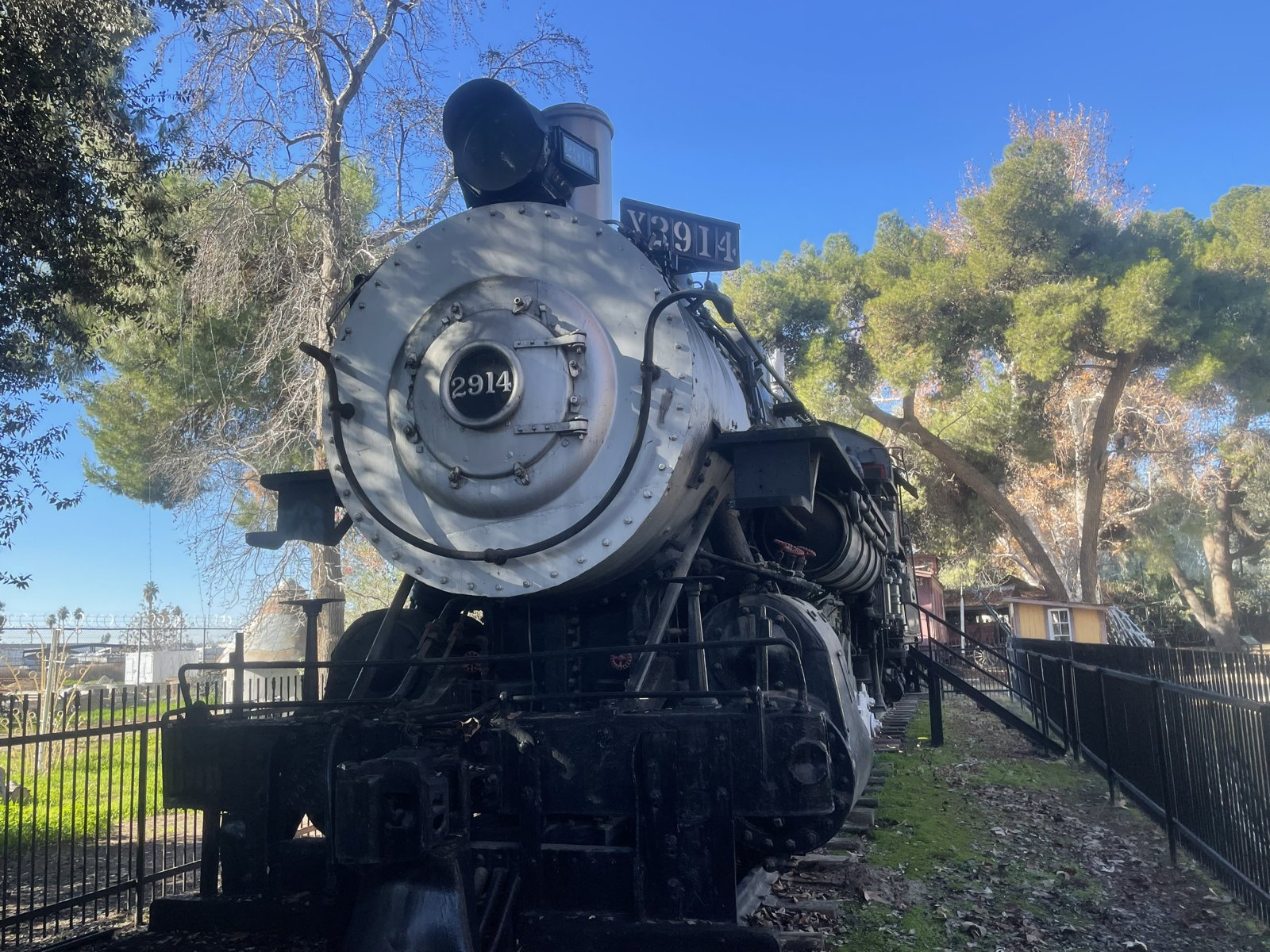
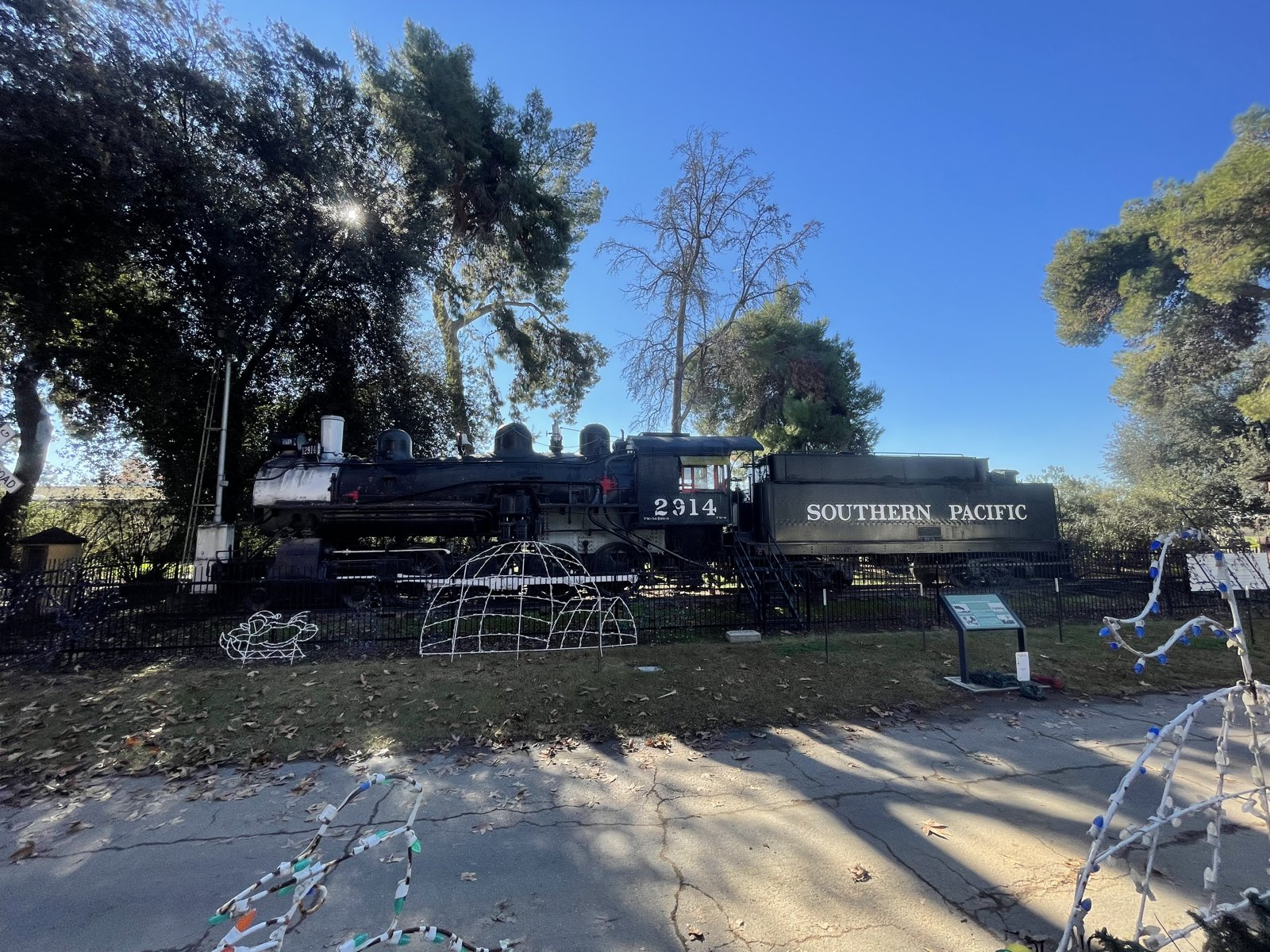
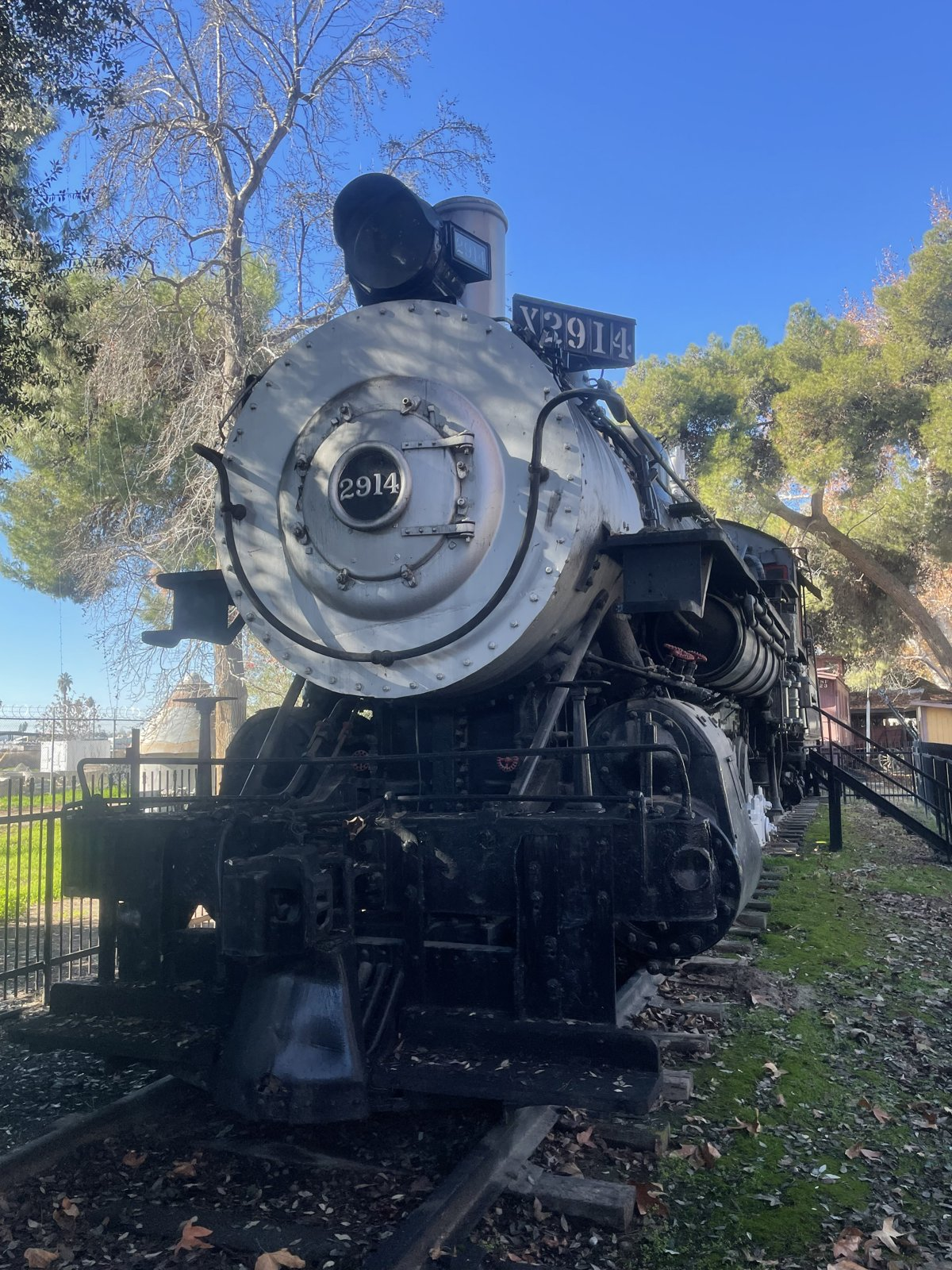
Southern Pacific No. 2914 is the sole surviving member of Southern Pacific’s TW-8 class of 4-8-0 Twelve Wheeler steam locomotives. Built in October 1898 by the Schenectady Locomotive Works, it spent more than five decades working for Southern Pacific before being donated for preservation in 1955. Today, it is preserved at the Kern County Museum in Bakersfield, California.
No. 2914 represents an older era of Southern Pacific freight power before Cab Forwards, Mikados, and other larger locomotives came to dominate the railroad’s image. It is the only surviving Southern Pacific 4-8-0 and the sole surviving TW-8.
Quick Facts
| Railroad | Southern Pacific |
| Number | 2914 |
| Original Number | 2024 |
| Wheel Arrangement | 4-8-0 Twelve Wheeler (Mastodon) |
| Class | TW-8 |
| Builder | Schenectady Locomotive Works |
| Builder Number | 4807 |
| Built | October 1898 |
| Renumbered | 1901 |
| Fuel | Originally coal; later converted to oil |
| Donated for Preservation | July 18, 1955 |
| Current Location | Kern County Museum, Bakersfield, California |
| Status | Static display |
| Significance | Sole surviving SP TW-8 and SP 4-8-0 |
The Southern Pacific Twelve Wheelers
The 4-8-0 Twelve Wheeler, also known as the Mastodon type, represented an important stage in late nineteenth-century freight-locomotive development. Four leading wheels provided stability, while eight driving wheels supplied useful adhesion and pulling power.
Southern Pacific used Twelve Wheelers before newer Consolidations, Mikados, and larger freight locomotives gradually displaced them from major assignments.
Built by Schenectady
No. 2914 was constructed in October 1898 by the Schenectady Locomotive Works as Southern Pacific No. 2024. Following renumbering, it became No. 2914 in 1901.
The TW-8 class consisted of ten locomotives. Every other member was eventually scrapped, leaving No. 2914 as the lone survivor.
A Freight Locomotive for a Growing California
During the late nineteenth and early twentieth centuries, California agriculture, oil production, industry, and population expanded rapidly. Railroads supplied the transportation network needed to move products, equipment, and materials.
Versatile freight locomotives like No. 2914 could handle road freight, local assignments, branch-line work, and yard duties throughout the Southern Pacific system.
Service in the San Joaquin Valley
No. 2914 developed strong ties to Bakersfield and the southern San Joaquin Valley. Interpretive material displayed with the locomotive states that it arrived in Bakersfield in 1901 and served the local area until 1955.
Its assignments included freight and helper service over the Tehachapi Mountains, work on the McKittrick, Sunset, and Oil City branches, and service in Southern Pacific’s East Bakersfield yard.
The locomotive is therefore preserved in the region where it spent much of its working life.
From Coal to Oil
No. 2914 was originally built as a coal-burning locomotive and was later converted to burn fuel oil.
The change reflected Southern Pacific’s broader adoption of oil-fired steam power in California and the Southwest, where petroleum was readily available and oil firing became a defining feature of the railroad’s steam operations.
Working Tehachapi
No. 2914’s documented Tehachapi service connects it with a well-known railroad mountain crossing in the American West.
Before modern diesel consists and giant articulated steam locomotives, engines such as No. 2914 helped move freight over the route and supported the development of Tehachapi as a strategic transportation corridor.
The Last Surviving TW-8
The TW-8 class consisted of locomotives numbered 2914 through 2923. No. 2914 is the only survivor.
It therefore serves as the sole physical representative of the class, Southern Pacific’s 4-8-0 fleet, late nineteenth-century Schenectady locomotive construction, and a generation of pre-Cab Forward freight power.
Saved for Preservation
Southern Pacific donated No. 2914 to the Bakersfield museum on July 18, 1955.
The donation occurred during dieselization, when steam locomotives were being retired and scrapped in large numbers. The decision preserved not only an individual locomotive but an entire Southern Pacific class.
The Kern County Museum Locomotive
Today, No. 2914 is one of the principal railroad artifacts at the Kern County Museum.
Its ties to Bakersfield, Tehachapi, local oil branches, and the East Bakersfield yard give it a particularly strong sense of place. It remains closely connected with the communities and territory it once served.
Why No. 2914 Matters
Southern Pacific No. 2914 represents the TW-8 class, the 4-8-0 Twelve Wheeler arrangement, Schenectady locomotive construction, freight operations in the San Joaquin Valley, Tehachapi railroad history, Southern Pacific oil-fired steam power, and railroad preservation in Kern County.
Most importantly, it represents the everyday locomotives that helped build California. It may never have been as famous as a Daylight or Cab Forward, but engines like 2914 hauled freight, switched industries, and served branch lines that supported the state’s growth.
Preservation Status
Southern Pacific No. 2914 remains preserved at the Kern County Museum in Bakersfield, California. It is the only surviving member of the TW-8 class and the only surviving Southern Pacific 4-8-0.
More than 125 years after its construction, it continues to represent an era of Southern Pacific history that otherwise would have disappeared physically.
Related Railroads
Related Museums
- Kern County Museum
Related Locations
- Bakersfield Rail History
- Tehachapi Pass
Related Topics
- Schenectady Locomotive Works
- 4-8-0 Twelve Wheeler
- Southern Pacific Cab Forward
- Southern Pacific No. 4449
- Oil-Fired Steam Locomotive
- Freight Railroading
Gallery
Western Rail Archive Notes
Not every important locomotive was famous when it was working. Southern Pacific No. 2914 spent most of its life performing ordinary freight assignments in California’s San Joaquin Valley. Today, it is historically valuable precisely because it is the sole survivor of an entire locomotive class.
Its significance comes not from celebrity but from rarity. It is the last physical witness to a type of Southern Pacific railroading that has otherwise vanished.
Archive Status
| Page Status | Category | Type | Gallery |
|---|---|---|---|
| Foundational Article | Equipment | Locomotive | In Development |